
The students carried it.
Real campaigns from real programs. Students still sell the product. What changes is how they understand the purpose, share the story, and take ownership of the campaign.
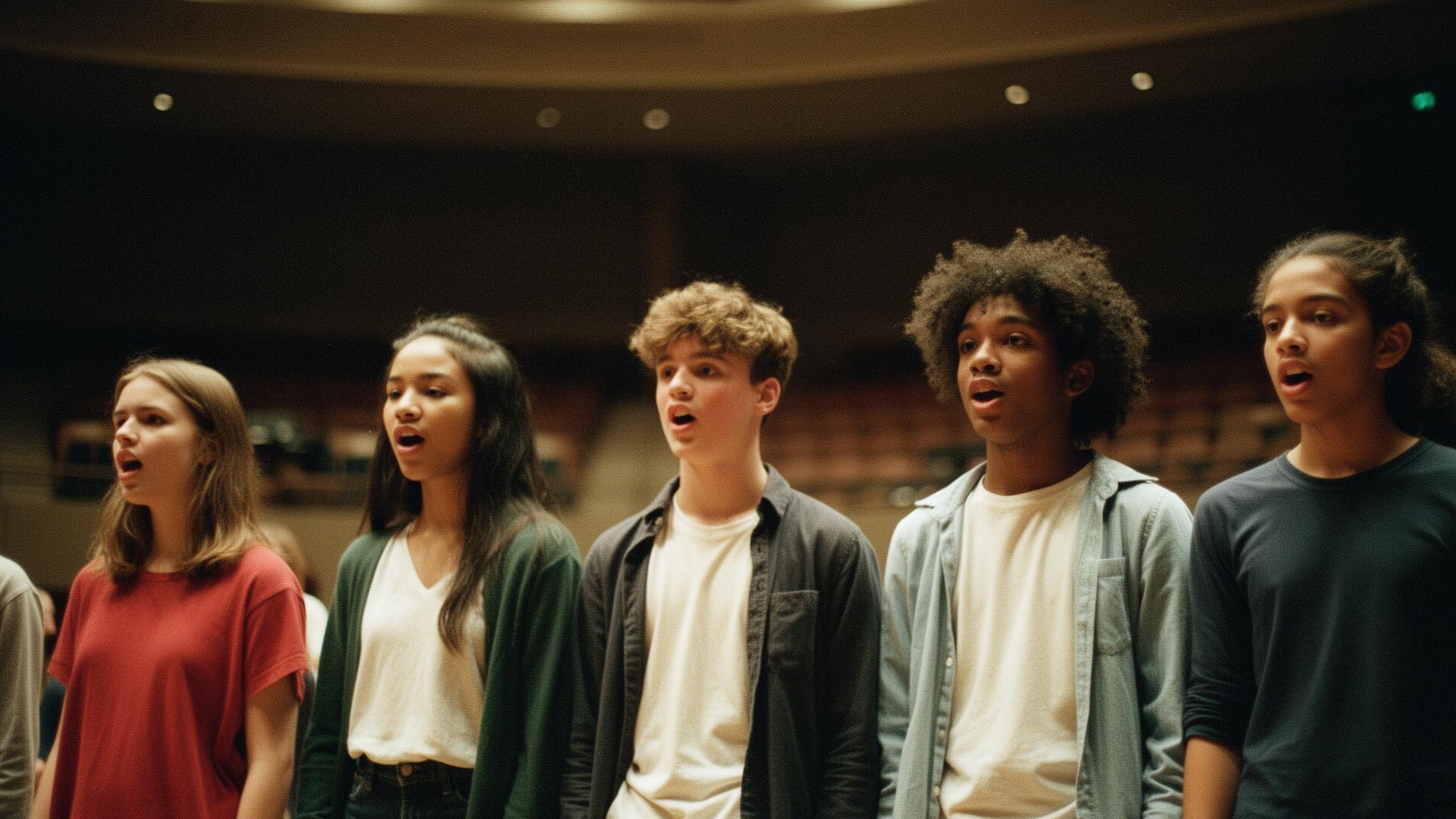
“I used to dread asking anyone for anything. By week two I was walking up to neighbors I'd never met and telling them why our program mattered.”
“I learned how to explain why our fundraiser mattered.”
Jordan used to avoid talking about the fundraiser and hoped his parents would handle it. After the in-person kickoff, he understood what the campaign was funding, practiced how to explain it in his own words, and started sharing the product fundraiser with family and neighbors. His program reached its goal in eleven days. What stuck with him was not the total raised. It was realizing he could represent something he cared about with confidence.
Student name changed at the family's request.
More campaigns. More moments.
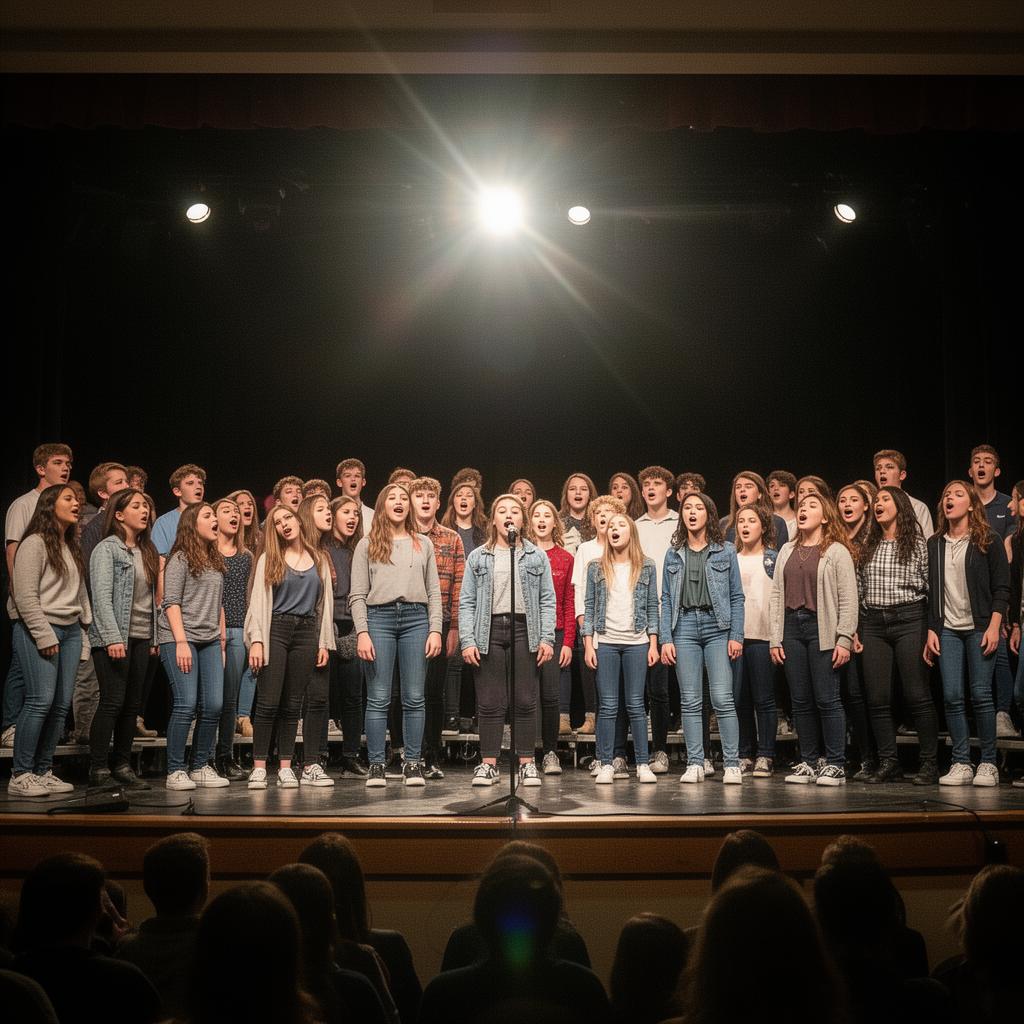
- Choir · Westview HSThe student who used to avoid the fundraiser helped close the campaign.Read case study →
- BandThe marching band that funded its own sousaphone, and a trip.Read case study →
- ClubsA 28-student robotics team out-raised the football program.Read case study →
- TheatreThe cast that built its own set, and funded the next show.Read case study →
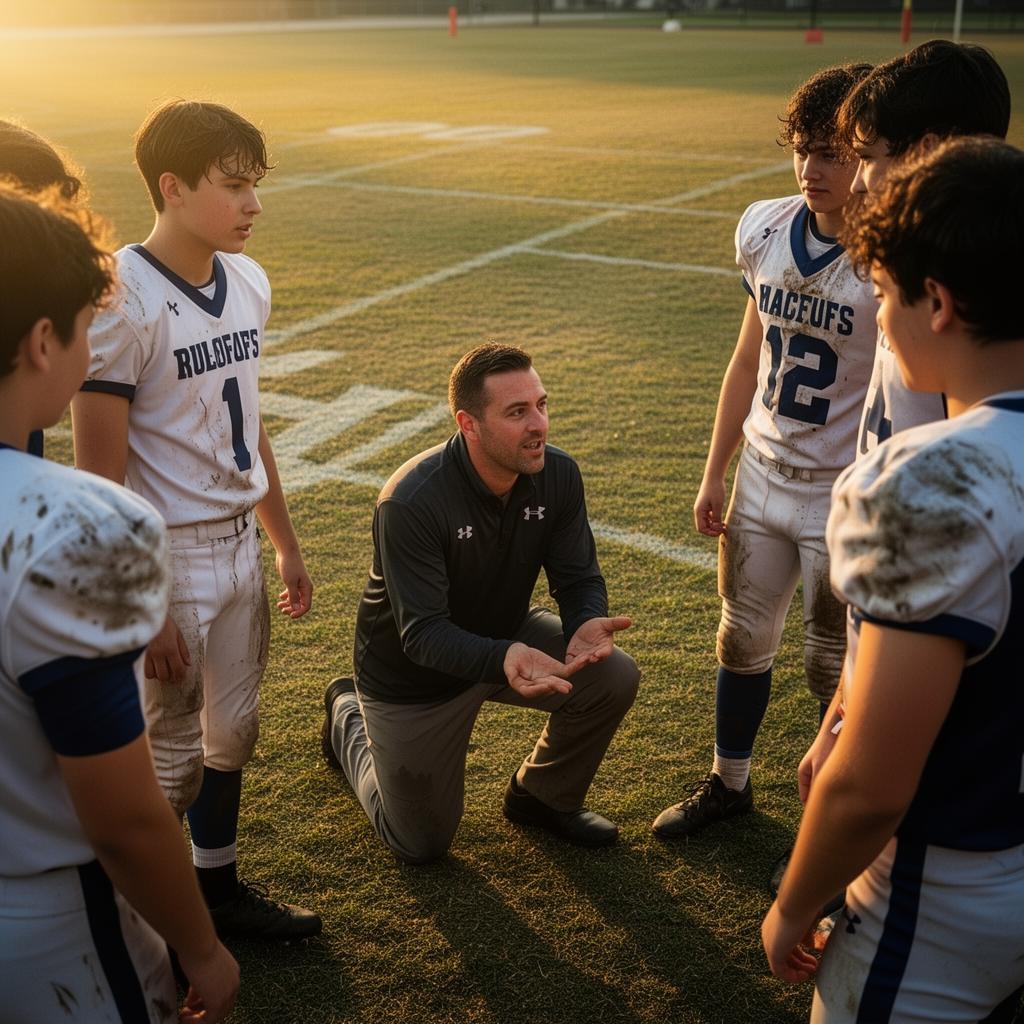
- AthleticsThe team that funded a season of travel without a single car wash.Read case study →
Directors, parents, and students on what changed during their campaign.
Selected feedback from recent Raise2Shine campaigns across choir, theatre, athletics, and student leadership programs.
“It was the first product fundraiser where I actually saw my cast take ownership. They understood the goal, talked about it with confidence, and we hit our set-build number a week early.”
“This was nothing like the cookie dough drives. My daughter wasn't just handing me a packet, she sat us down at dinner and explained exactly what the money was for. I've never seen her like that.”
“The product moved itself once the kids could tell the story. By day six my seniors were coaching the freshmen on what to say at the door.”
“I used to dread asking anyone for anything. Now I know how to walk up to a stranger and tell them why our program matters. That part stuck with me.”
Stop running fundraisers. Start running campaigns your students lead.
20 minutes. We'll look at your program, your goal, and your timeline, then tell you honestly whether a coached campaign is a fit. If it's not, we'll point you somewhere it is.
No pitch deck. No follow-up sequence. Just a real conversation about your program, your students, and what you're trying to build.